Thoughtfluence
Discover
Pricing
Sign in
Sign Up
David Didau on Thoughtfluence
DD
David Didau
+
The Learning Spy; cognitive load and classroom evidence.
▾
Key concepts
· 14
schools as complex ecosystems
attention as finite resource
teaching is systemic output
▾
11 more
Is this you? Claim this page →
Follow All
Powered by
Thoughtfluence - The Insights Hub
▶
Filters
⌕
Sort
Newest
Oldest
Title A–Z
Most read
▾
Channel content
49
Posts from their own channels.
✎
David Didau
14d
The detention paradox
Why sanctions can fail for some students but work for everyone else
✎
David Didau
21d
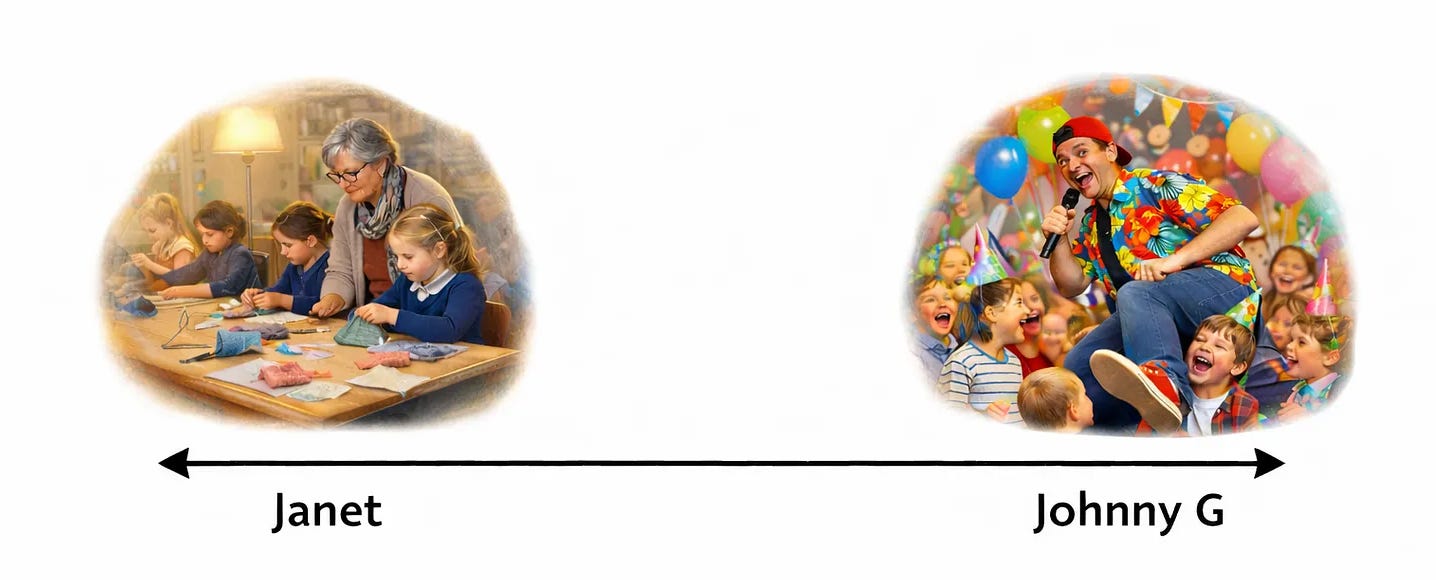
When is struggle too much?
Sisyphus, in the ancient myth, is condemned to an existence that is generally acknowledged to be awful.
✎
David Didau
28d
Elsewhere and later: a definition of learning
Retention, transfer and crossing the threshold of understanding
✎
David Didau
1mo
Is there a case for copying?
Understanding the difference between imitating an expert and copying off the board
✎
David Didau
1mo
The beautiful lie of coursework
Exams are the worst form of assessment except for all the alternatives
✎
David Didau
1mo
How should we teach students to interpret texts?
Independent interpretation is the end point of English teaching, not the starting point
✎
David Didau
1mo
Is good SEND provision just good teaching?
What the most vulnerable children need benefits everyone
✎
David Didau
1mo
Even good schools are subject to entropy
How expertise, memory and coherence decay over time and what we can do it
✎
David Didau
2mo
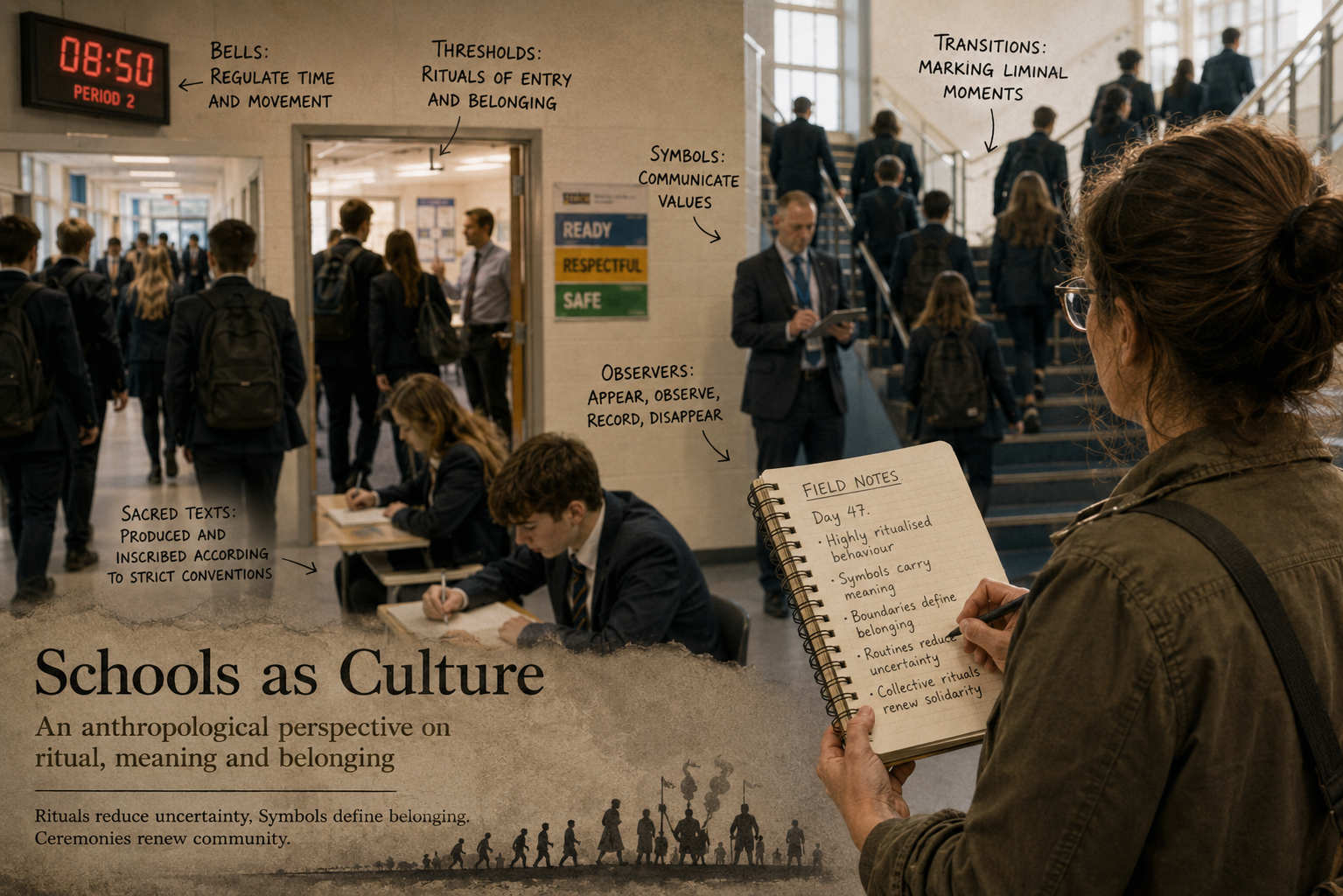
The anthropology of school rituals
How rituals create belonging, preserve order and, all too often, outlive their purpose
✎
David Didau
2mo
The economics of attention
Why we should budget attention before we spend it
✎
David Didau
2mo
The ecology of schools
An ecological perspective explains why relationships, feedback and adaptation matter more than isolated interventions
✎
David Didau
2mo
The best case fallacy and the need to audit optimism
Why optimism is often unscrupulous and positive thinking makes things worse
✎
David Didau
3mo
Film review: Nolan straightens out Homer's many-turning man
How Christopher Nolan’s Odyssey smooths away world literature’s greatest creation
✎
David Didau
3mo
Digital exams are a solution in search of a problem
Why we should avoid confusing novelty with progress
✎
David Didau
3mo
The Proxy Trap: how poor are 'poor proxies for learning'?
Why schools can't live with proxies or without them
✎
David Didau
3mo
A letter to a young head of department
A contrarian's guide to surviving middle leadership without surrendering your soul
✎
David Didau
3mo
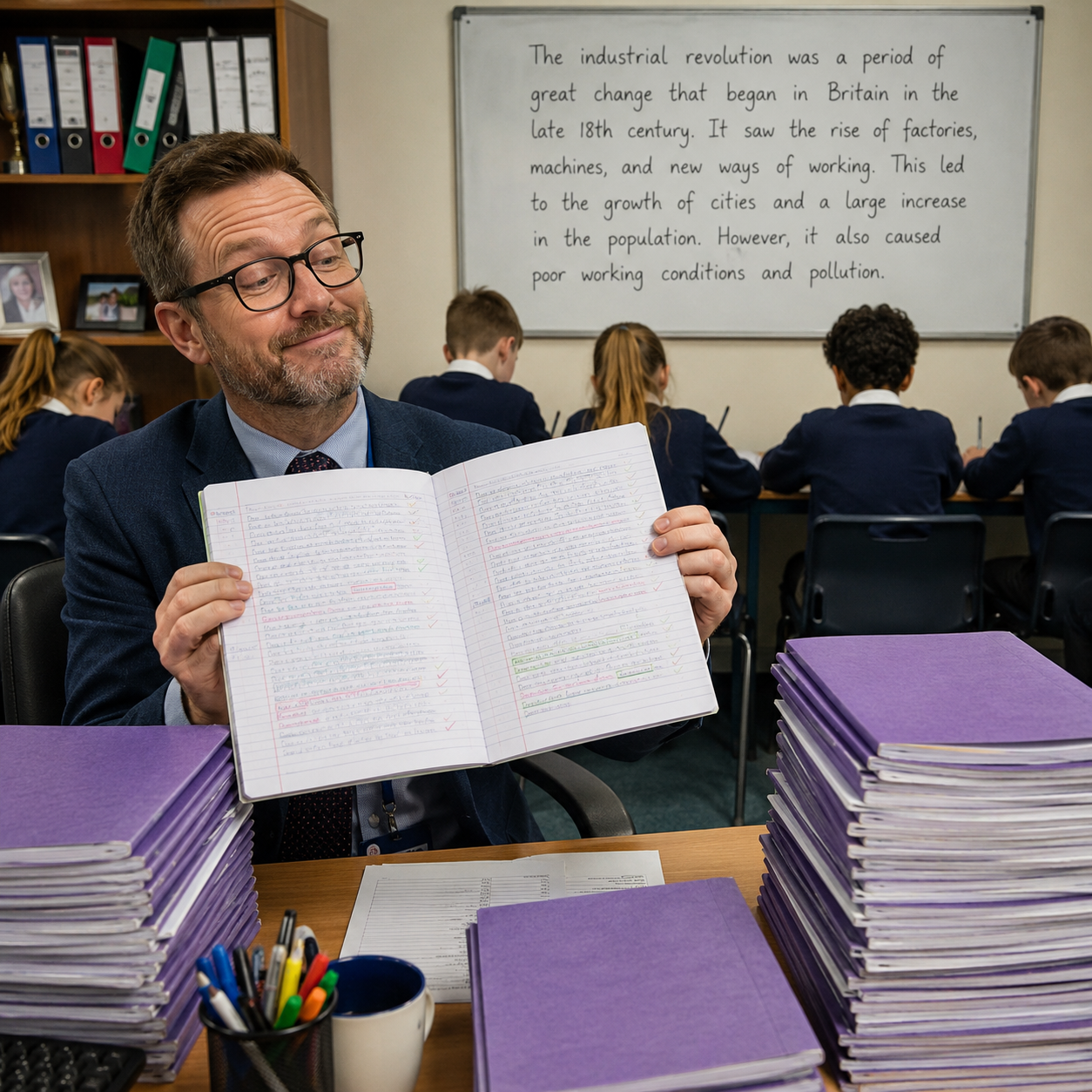
Why I hate 'beautiful books'
Why students' exercise books make for dangerously unstable proxies for learning and poor revision resources
✎
David Didau
3mo
Wax On, Wax Off Retrieval Practice
Three recent studies show why retrieval practice needs better questions, better timing and better support.
✎
David Didau
3mo
The Gender Trap: why we're seduced by obvious explanations
How we mistake patterns for causes, nature for destiny and moral preference for evidence
✎
David Didau
4mo
A vision for teaching English
The visison statement for English from the Northern Ireland national curriculum
✎
David Didau
4mo
AI, fire and the future of thinking
Five research findings on the impact of AI in schools
✎
David Didau
4mo
The purpose of school inspection is what it does
Systems designed to raise standards too often teach schools to look good rather than get better
✎
David Didau
4mo
Why we pull when we should push
How schools make some actions easier than others, and why great leadership begins with redesigning the environment
✎
David Didau
4mo
The Dr Fox Effect: Charisma, subject knowledge and the curse of expertise
Why effective teaching depends less on generic performance and more on knowledge organised for instruction.
✎
David Didau
4mo
The myth of the portable teacher
What happens when effective teachers transfer into tougher schools
✎
David Didau
4mo
Why school is the oldest and most effective educational technology
How evolution and culture explain how school have been shaped over time
✎
David Didau
5mo
The Coaching Trap: Why better teaching depends on better schools
Why coaching needs to focus primarily on leaders rather than teachers
✎
David Didau
5mo
Five principles for effective retrieval practice
Moving from recognition to recall, from recall to use, and from performance to learning
✎
David Didau
5mo
The problem with patterns: how good data leads to bad decisions
Collider bias and the misreading of school data
✎
David Didau
5mo
Five principles of effective feedback
Feedback is powerful, but not reliably helpful. The trick is knowing what you’re trying to change.
✎
David Didau
5mo
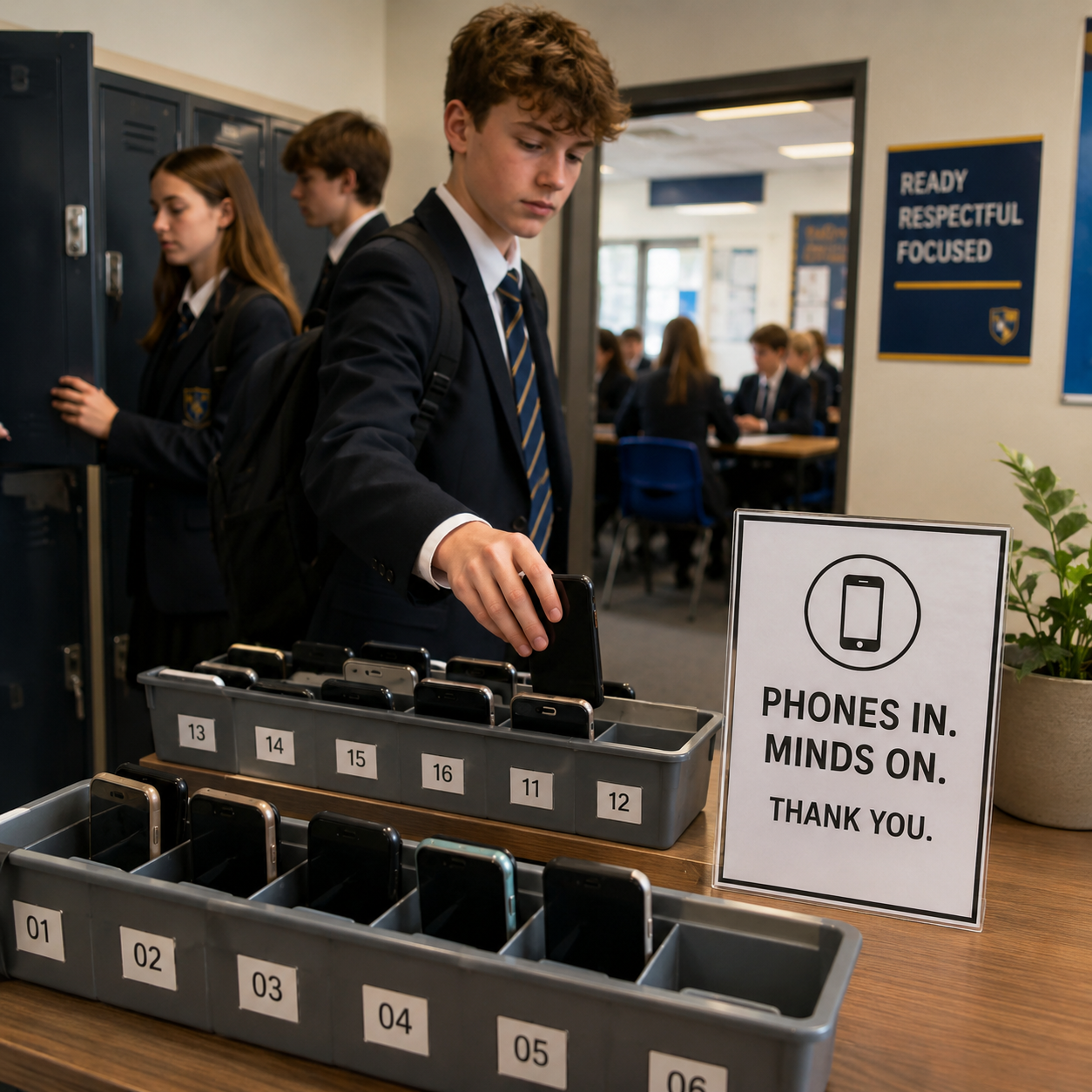
Phone bans are a good thing…
...but phone pouches are probably the wrong way to go about it
✎
David Didau
5mo
Do Mini Whiteboards have limitations?
Regular readers will know I’m pretty partial to using Mini Whiteboards in lessons.
✎
David Didau
5mo
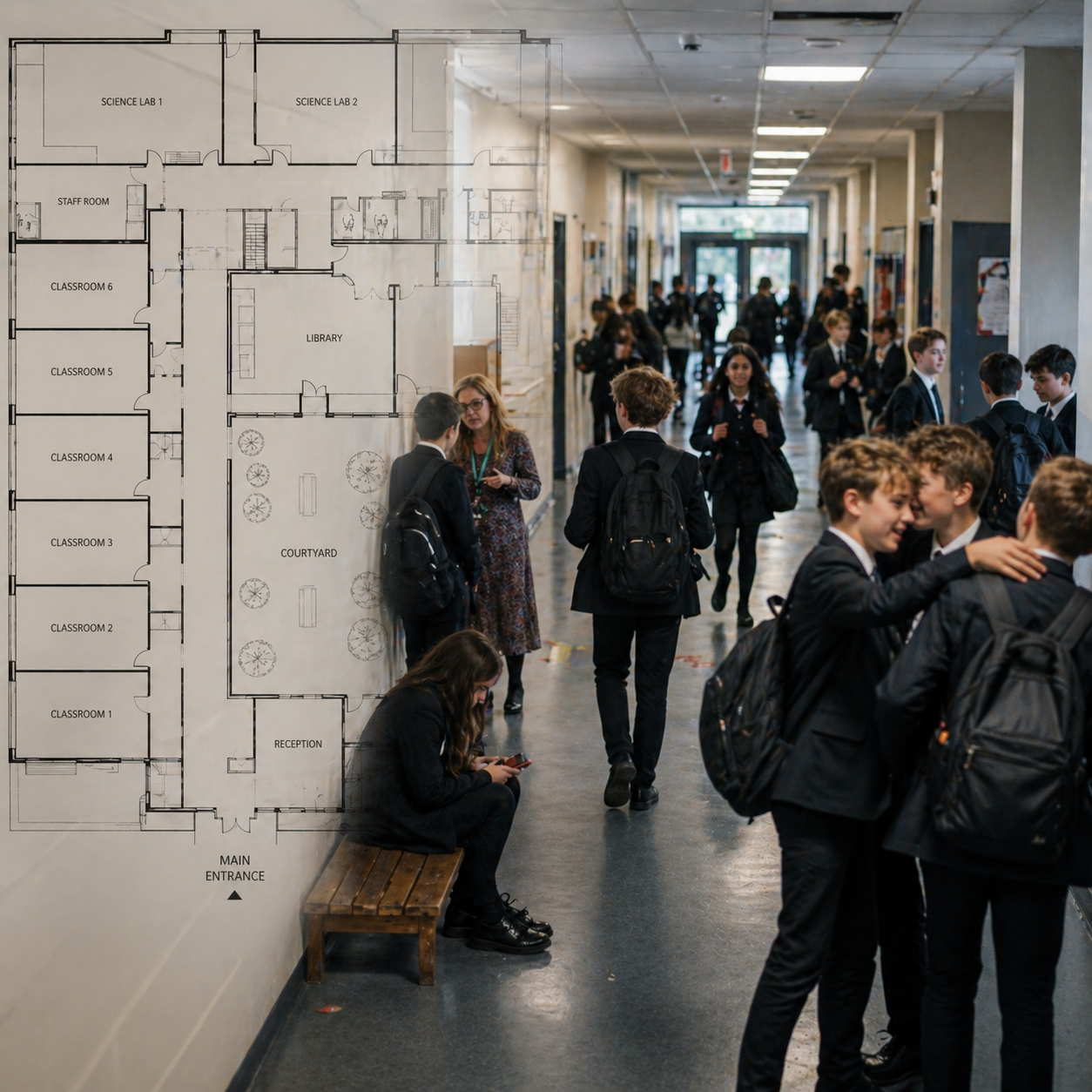
Seeing like a school: categories, maps, streets and winks
Why the systems that make schools manageable can also mislead them
✎
David Didau
5mo
What primary and secondary leaders need to know about effective writing transition
Same word, different expectations: why writing transition fails when primary and secondary schools prepare students for different kinds of success.
✎
David Didau
5mo
Five principles for effective questioning
This post is the latest in a series focussing on five key aspects of effective classroom practice
✎
David Didau
5mo
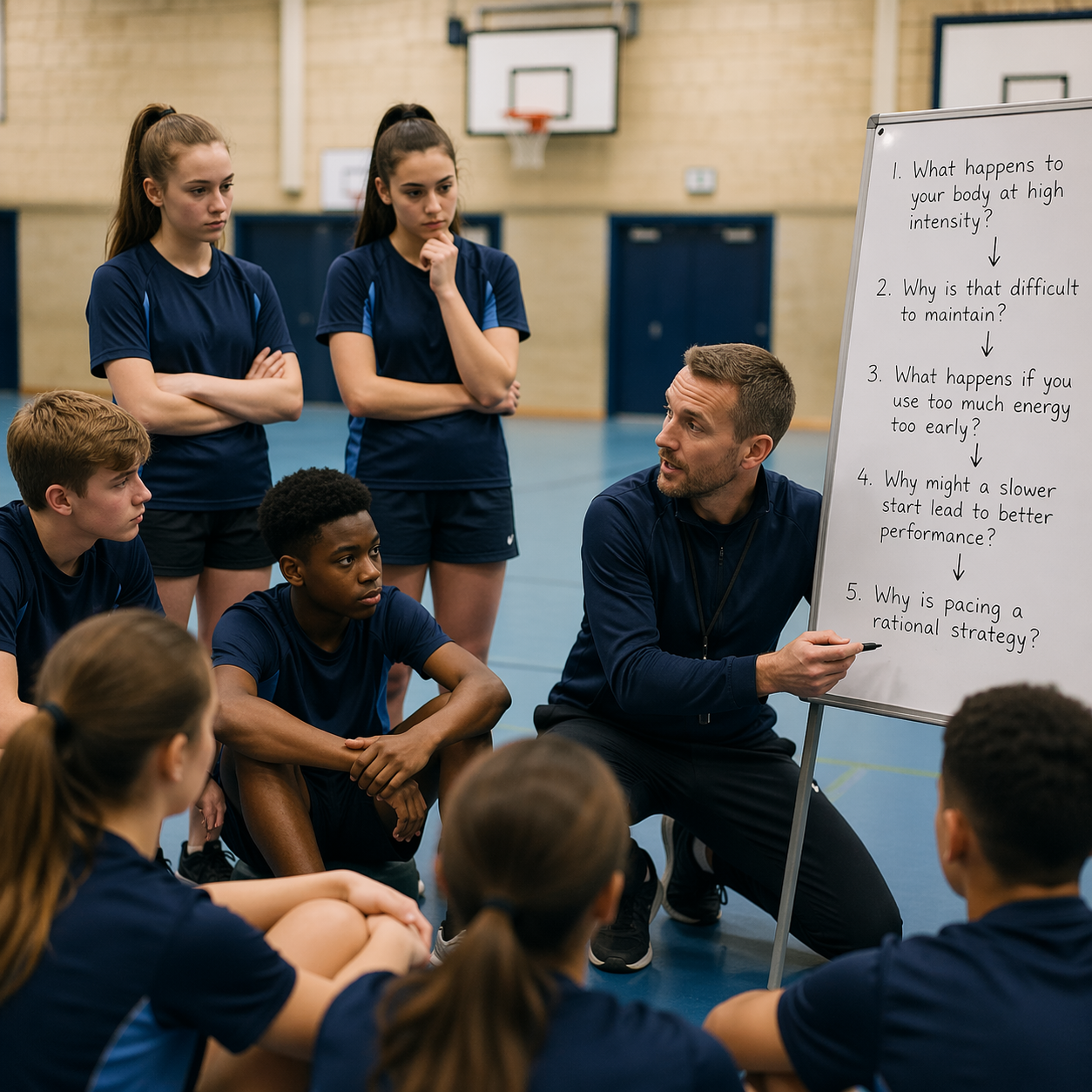
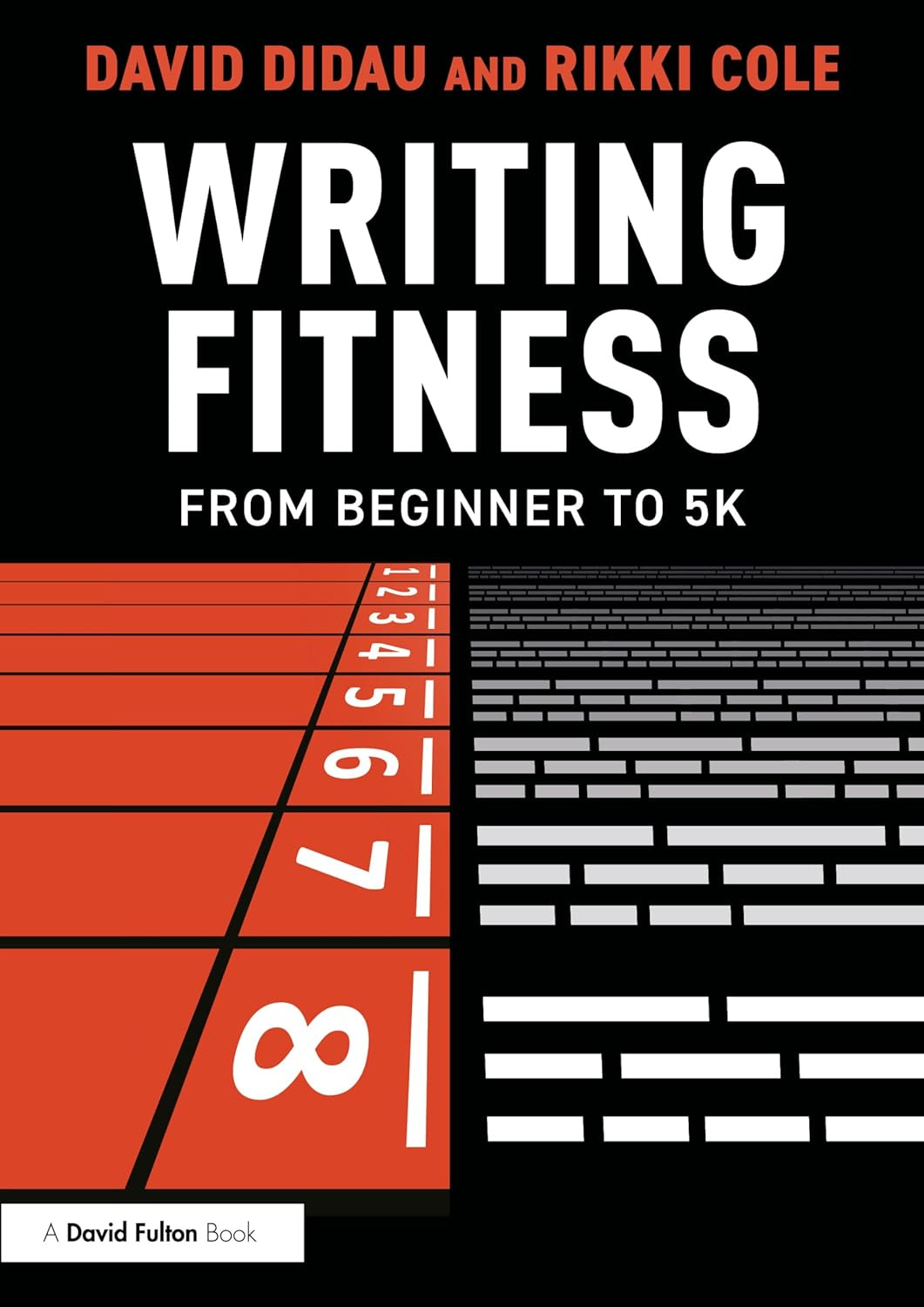
Onwards and upwards: my marathon journey
And some tenuous links to writing, endurance and the necessity of practice
✎
David Didau
6mo
Demand, Diversity and the Canon
If we want to broaden what schools teach, the case must be made on significance, not symbolism
✎
David Didau
6mo
Five principles of effective scaffolding
If support is not temporary, responsive and designed to disappear, it's probably not effecive scaffolding
✎
David Didau
6mo
Easy Things Are Easy; Hard Things Are Hard
On teacher charisma, classroom calm and the difficulty of building the habits of hard work
✎
David Didau
6mo
Five principles of effective modelling
Why exemplars so often fail, and how to make modelling genuinely instructive
✎
David Didau
6mo
Does checking for attention help students learn?
Spoiler: yes. Yes it does.
✎
David Didau
6mo
Three Ways That Curriculum Fails
Why students fail to make progress when curriculum lacks specificity, systematicity and subject sensitivity
✎
David Didau
6mo
Chesterton's Library: which fences should we destroy, which walls should we mend?
Chesterton, Frost and the panic over AI, safeguarding and dangerous ideas
✎
David Didau
6mo
On punctuation: distinguishing between knowledge problems and practice problems
One of the difficulties in teaching writing is that not all mistakes are the same kind of mistake.
✎
David Didau
6mo
The principle of reciprocity: a low threat model for teacher development
Why lesson observation so often fails to change practice and how to get more of what we want
✎
David Didau
7mo
We never had it so simple: Why the opposition between standards and belonging is easy to assert but hard to prove
A critique of the evidence on attainment, wellbeing and school belonging
✎
David Didau
7mo
Done Well, Done Badly: should we compare MWBs with Turn & Talk?
Why unhelpful comparisons distort educational debate and make it harder for schools to improve
✎
David Didau
7mo
The blank page problem: creativity and the tyranny of choice
Why freedom stifles originality and imagination thrives inside boundaries
✎
David Didau
7mo
Better schools, better teachers?
What I wanted to say at the CIS event last night
▾
Appearances
0
Guest spots, interviews, and features they didn't publish themselves.
+ suggest
No appearances yet. If you've seen David Didau as a guest somewhere, hit
+ suggest
to add it.
Similar thinkers
8
Minds whose work overlaps with David Didau’s.
Shared niche — evidence-based pedagogical reform
TT
Tracy Tokuhama-Espinosa
@tracy-tokuhama-espinosa
The Learning Sciences; mind-brain-education research synthesis.
attention-memory
Education & Learning
+
Open Profile
+ Library
Shared niche — formative assessment and instructional design
DW
Dylan Wiliam
@dylan-wiliam
Embedded Formative Assessment; the empirical case for assessment for learning.
attention-memory
Education & Learning
Open Profile
+ Library
Shared niche — evidence-based pedagogical strategies
BO
Barbara Oakley
@barbara-oakley
Learning How to Learn; the meta-skill of learning at scale.
attention-memory
Education & Learning
Open Profile
+ Library
RP
Robert Pondiscio
@robertpondiscio
AEI; how the other half learns and conservative ed reform.
attention-memory
Education & Learning
Open Profile
+ Library
Shared niche — Education & Learning
CH
Carl Hendrick
@carl-hendrick
Wellington College; cognitive science and the limits of edu-fads.
Education & Learning
psychology-cognition
Open Profile
+ Library
Shared niche — progressive school redesign
JM
Jal Mehta
@jal-mehta
Harvard ed school; In Search of Deeper Learning.
attention-focus
attention-memory
+
Open Profile
+ Library
Shared niche — cognitive-based curricular reform
DC
Daisy Christodoulou
@daisychristodoulou
Seven Myths About Education; cognitive science in classroom practice.
craftsmanship-performance
Education & Learning
+
Open Profile
+ Library
Shared niche — cognitive science of pedagogy
SS
Sam Shapiro
@sam-shapiro
attention-memory
Education & Learning
+
Open Profile
+ Library