L. M. Sacasas
A writer and scholar who explores the intersection of technology, culture, and ethics from a critical perspective in his newsletter, 'The Convivial Society'.
A writer and scholar who explores the intersection of technology, culture, and ethics from a critical perspective in his newsletter, 'The Convivial Society'.
L. M. Sacasas values the work because L. M. Sacasas finds that its thematic concerns regarding the Ring easily map onto contemporary smartphone usage.
“I’ve been reading Tolkien again lately, and I’ve been struck by how easily one can substitute “smartphone” for “the Ring.””
L. M. Sacasas recommends this work for its profound insights into the healthy integration of labor and thought.
“Now it is only by labour that thought can be made healthy, and only by thought that labour can be made happy, and the two cannot be separated with impunity.”
L. M. Sacasas values this work for its insightful observation regarding the pervasive lack of genuine listening in human interaction.
“I have discovered that most people have no one to talk to, no one, that is, who really wants to listen.”
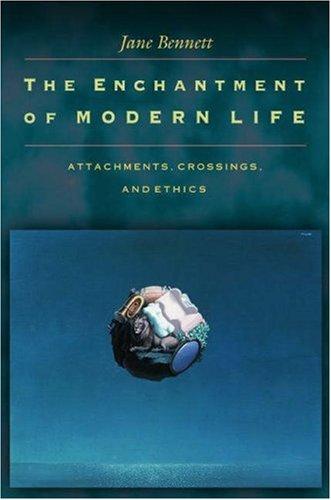
L. M. Sacasas values this work for providing the foundational perspective that humans can cultivate specific strategies to experience the world as enchanted.
“the contemporary world retains the power to enchant humans and that humans can cultivate themselves so as to experience more of that effect.”
L. M. Sacasas draws upon this play to highlight a line that calls individuals back from despair and hubris into human life.
“Thy life’s a miracle. Speak yet again.”
L. M. Sacasas utilizes this text to provide an essential amulet for resisting ideological exploitation.
“Ideologies are never interested in the miracle of being.”
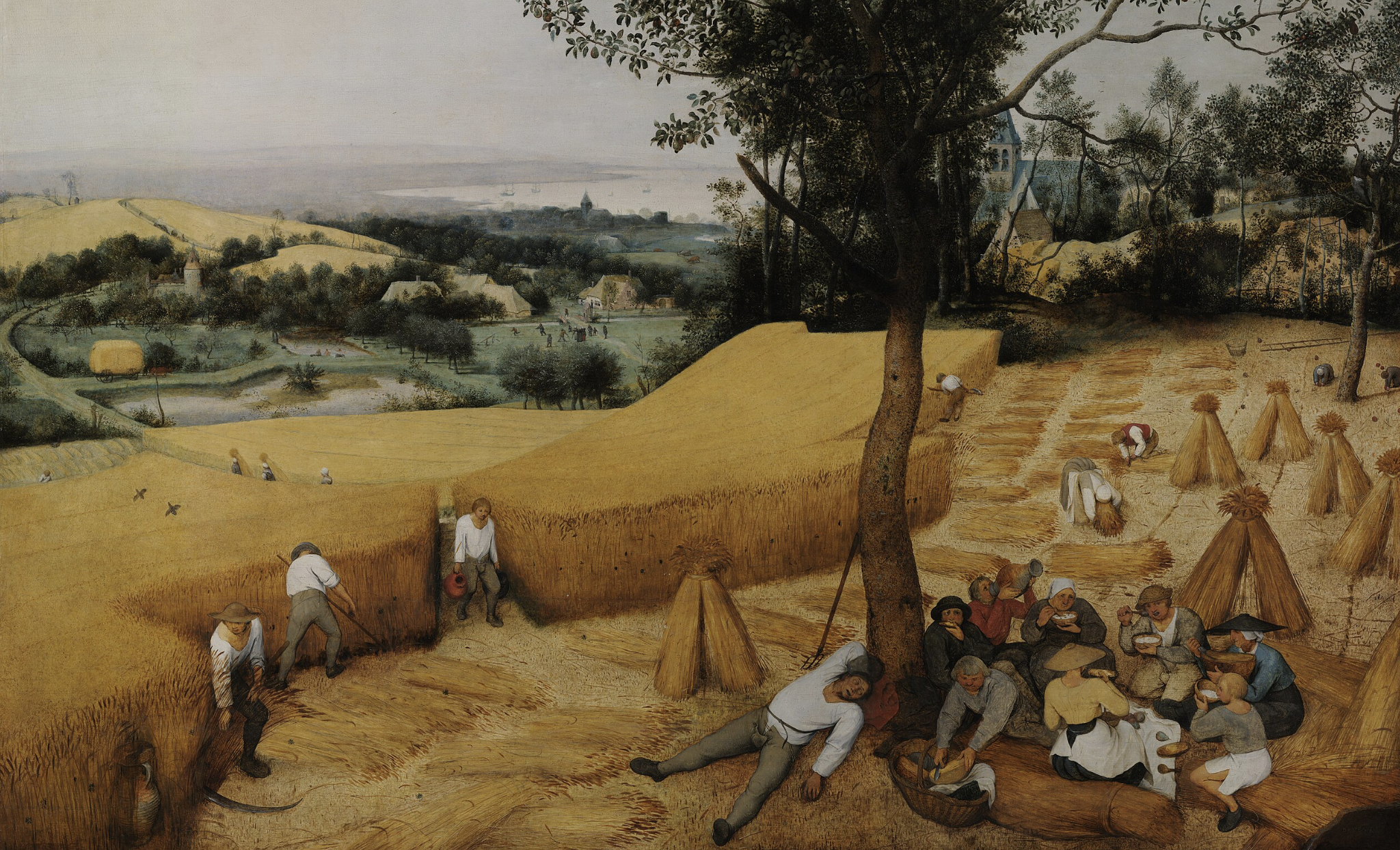
L. M. Sacasas values this work for demonstrating how recurring anecdotes about technology serve as expressions of cultural anxiety regarding industrial intrusion.
“the intrusion of an Industrial Age machine into an idyllic pastoral scene”
L. M. Sacasas values this work for its foundational critique of industrial institutions and how they foster helplessness.
“once basic needs have been translated by a society into demands for scientifically produced commodities, poverty is defined by standards which the technocrats can change at will.”
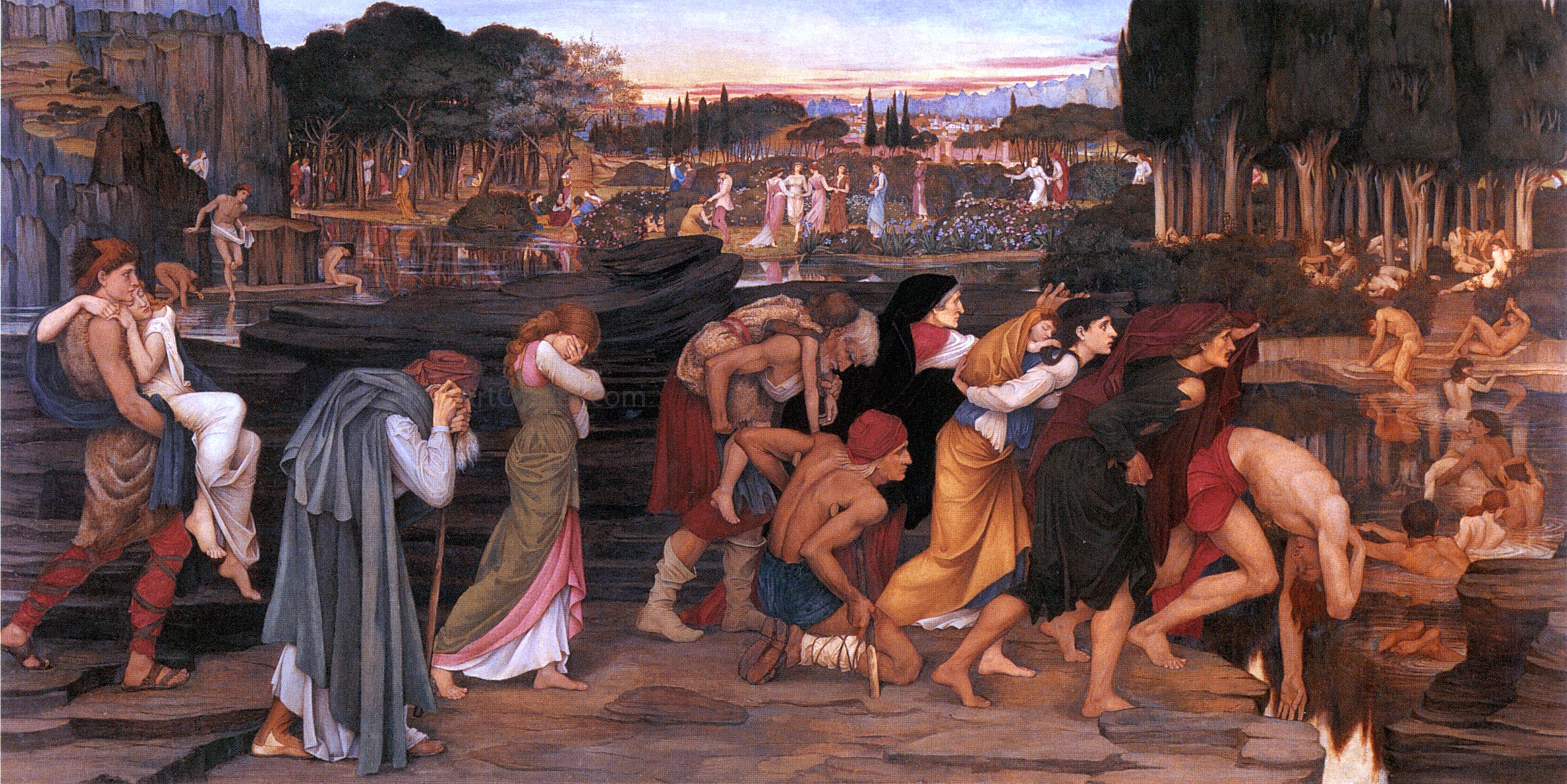
L. M. Sacasas values this work for providing essential reflections and anecdotes regarding the complementary nature of memory and forgetting.
“the two waters appear in sequence and are complementary, not contradictory.”
L. M. Sacasas values this work for its profound insights into the moral responsibility of technologists and its call for civil courage.
“The myth of technological and political and social inevitability is a powerful tranquilizer of the conscience.”