Rayne Fisher-Quann
Canadian essayist and cultural critic known for introspective long-form essays on attention and modern life.
Canadian essayist and cultural critic known for introspective long-form essays on attention and modern life.
Rayne Fisher-Quann values this work for its kaleidoscopic character descriptions, which provide endless inspiration for unique costume ideas.
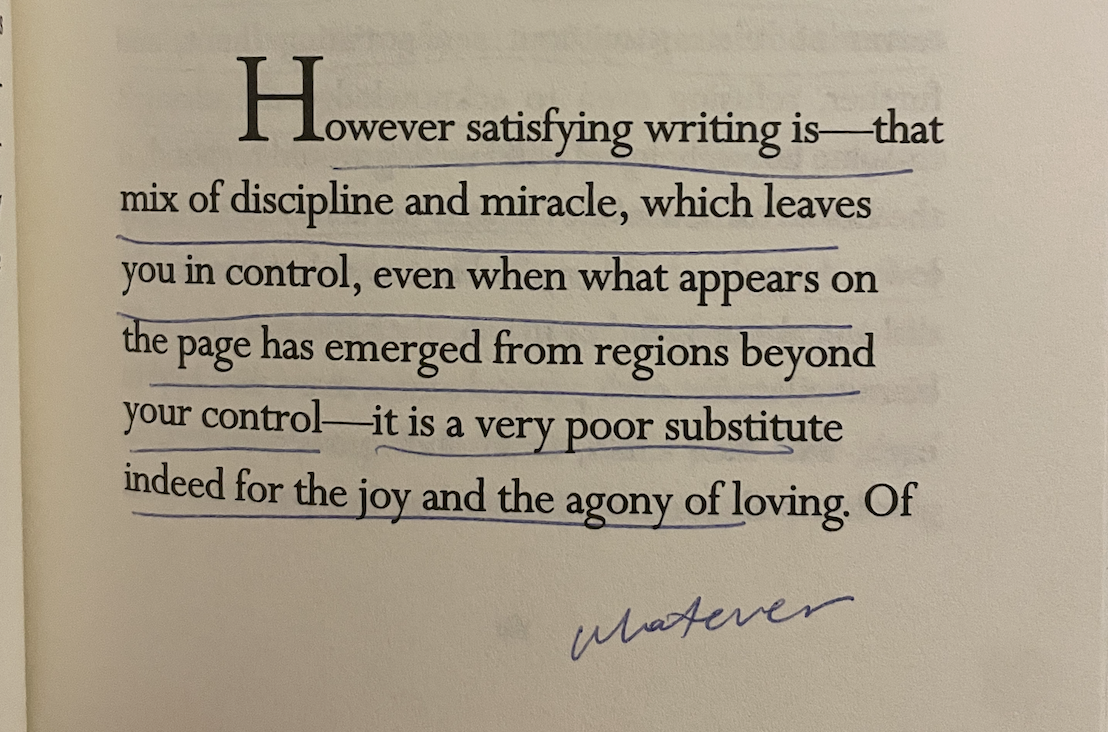
Rayne Fisher-Quann recommends this book as an intimate gift for a lover when personalized with annotations that reveal the giver's own neuroses.
“it’s best if it’s your personal copy and you’ve underlined or dog-eared all the parts that hint towards your personal sexual neuroses.”
Rayne Fisher-Quann values this work because it provides a meticulous and refreshingly practical roadmap for those looking to disconnect from digital technology.
“it’s meticulous and beautifully illustrated and, as the title says, refreshingly practical”
Rayne Fisher-Quann recommends this zine because it bravely challenges cultural ideas surrounding persona and honesty in women’s confessional writing.
“It feels a bit cliche to call a piece of writing “brave” these days, but I really did think it was brave”
Rayne Fisher-Quann values this work for the role it played in her adolescent engagement with literature.
Rayne Fisher-Quann considers this novel a key reference point for engaging with thematic discussions on kitsch and existential weight.
Rayne Fisher-Quann values this work for its essential perspective on the nature of artificiality and aesthetic sensibility.
Rayne Fisher-Quann recommends this title as a foundational text for exploring the intersection of aesthetic hierarchies and cultural consumption.
Rayne Fisher-Quann values this work because it empathetically explores the complex relationship between women, their bodies, and their intellectual potential.
“Scanlon takes an empathetic approach, thoughtfully and rightfully — she avoids didacticism or condemnation, choosing instead to explore the conditions that affect our engagement with bodily art and bodies in general.”
Rayne Fisher-Quann values this work for its wisdom regarding the necessity of dwelling in despair to avoid static living.
“keep your mind in hell and despair not.”
Rayne Fisher-Quann recommends this film because it evokes serious reflections on the aesthetics of the 90s and the complexities of maternal relationships.
Rayne Fisher-Quann values this film for its conviction in demonstrating that the rewards of the 'patriarchal program' are greatly exaggerated.
“Anora is a story about a girl so in love with an idea that she loosens her grip on material reality, until reality re-imposes itself with force.”